
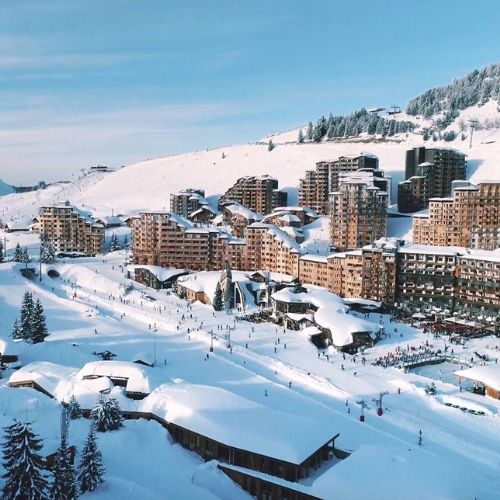
The differences between French and American ski resorts may not seem obvious at first. However, those travelling to Europe from the USA may experience culture shock, expecting French ski resorts to be similar to what they’re used to. So, in this blog, we will talk about the differences between French and American ski resorts so you can have as much fun as possible without worrying about “getting it wrong.”
How Ski Resorts Decide Slope Difficulty
Ski resorts use similar methods to rate slope challenges. They look at gradient, terrain width, grooming frequency, and aspect. The most challenging segment of a slope typically sets its overall rating.
This means you can glide along a seemingly gentle run only to find a short, steep drop. That run might still be marked intermediate or advanced. Resorts also consider how rough the terrain is. Huge bumps or moguls can make skiing more demanding.
Aspect refers to which direction the slope faces. A slope that faces the sun might get softer snow in spring conditions. That same slope might become icy if it’s shaded all day. Consistent grooming helps keep snow conditions more uniform.
How ski slopes are graded in terms of difficulty is one of the key differences between French and American ski resorts. France and the USA mark their slopes in slightly different ways:
French/European Colour-Coded System
Green
Green slopes are the easiest in Europe. They’re wide, gentle, and perfect for beginners or kids. Resorts often situate them near the bottom of the mountain or dedicated beginner zones. Sometimes, they’re on top of the mountain, serviced with a conveyor belt or drag lift. These runs are super friendly, offering minimal risk. However, some green slopes are actually connecting roads. These can be narrow and flat, so they’re not always ideal for learning.
Blue
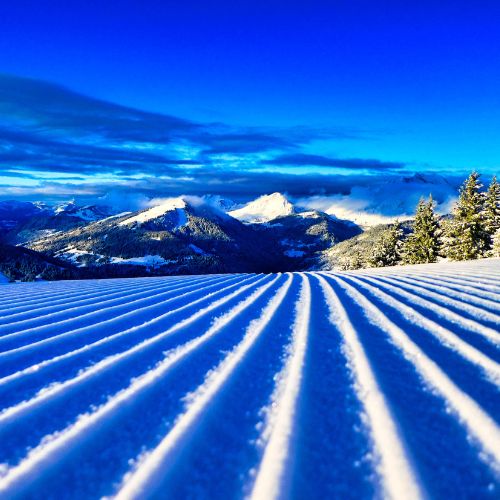
A European blue run feels like a green slope in the U.S. It usually doesn’t exceed a 25% gradient. Many skiers graduate to blue runs once they master their first snowplough turns. You’ll find a lovely corduroy surface in the early morning when nobody has skied on the slopes. Later in the day, bumps may develop if the slope sees heavy traffic.
Red
French red runs are for intermediate skiers. These slopes are steeper and let you pick up more speed. They often attract confident skiers and snowboarders who love carving. Strong intermediates will have fun pushing their limits on red runs.
Black
Black runs challenge expert skiers and snowboarders. Expect steep gradients, moguls, and icy patches on these slopes. However, black runs vary dramatically. One black run could be mostly steep groomers. Another might have huge bumps or natural obstacles. In some French resorts, black runs aren’t always groomed. This can lead to deep powder on lucky days. These runs compare to advanced terrain anywhere in the world. But they might feel especially challenging if left unmaintained.
Orange
Orange slopes are rare and even more extreme than black. A great example of an Orange run is the “Swiss Wall,” which drops down from Avoriaz over the Swiss border. These runs are for serious experts who want to ski steep and challenging terrain. Novices should steer clear. An orange run usually signals big challenges and zero forgiveness.
The Difference Between French and American Ski Resorts: Off-Piste vs. Backcountry
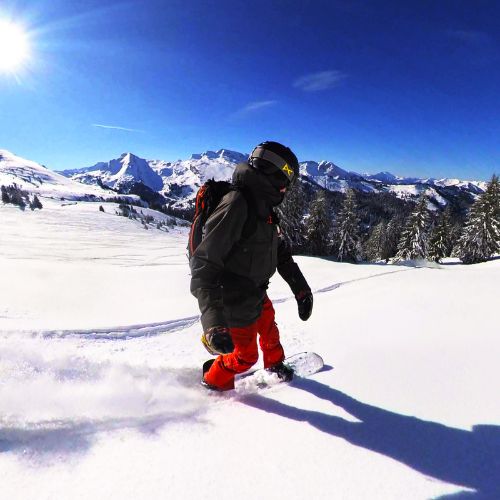
Once you’ve tasted powder, you might want to look for fresh snow outside marked runs. But this is where the difference between French and American ski resorts becomes more serious. In the United States, ski patrols strictly control resort boundaries. They’ll often confiscate your pass if you duck under ropes to reach closed areas.
France tends to allow more freedom. You can explore off-piste terrain with less intervention from resort authorities. However, that freedom means extra responsibility. If you trigger an avalanche, you may face serious legal consequences. Always check avalanche forecasts and carry safety gear.
Safety, Responsibility, and Legal Consequences
Wherever you ski, off-piste or backcountry adventures require knowledge and gear. Avalanches pose real risks. If you cause one that injures or kills someone, you could face serious charges. This risk exists worldwide, but Europe’s freer attitude often surprises American skiers.
Always ride off-piste with a transceiver, shovel, probe, and the knowledge of how to use them. Better yet, hire a local guide who knows the terrain and can help to keep you safe.
Another thing that may shock visitors from the USA is how the slopes are policed in France. We have “pisteurs”, the equivalent of ski patrol, but they focus on keeping the slopes safe and helping injured people. They never stop people from going too fast, nor do they confiscate your lift pass. However, they deserve respect as they do a tough job and are there to make your experience fun and safe. You should also adhere to the FIS code of conduct. You may also want to check out the Piste X code for more information, especially for kids.
Cost Comparisons
The differences between French and American ski resorts also affect your wallet. Lift passes, food, and lodging can vary in price.
First off, French lift passes tend to be cheaper than those in the USA. You get extensive terrain for a decent price, especially in large ski areas like Portes du Soleil. That means you can explore multiple resorts under one pass.
On-mountain dining in France can be pricey. Yet, it’s often cheaper than food in an American ski lodge.
Accommodations span a wide range of budgets. You can find simple apartments or luxury chalets in all French ski resorts. Places to stay can be cheaper than a comparable stay in a big-name American resort. However, prices soar during peak holidays.
Equipment rental costs depend on quality and brand. In general, you might pay slightly less than in the U.S. But peak-season bookings can drive up those costs.
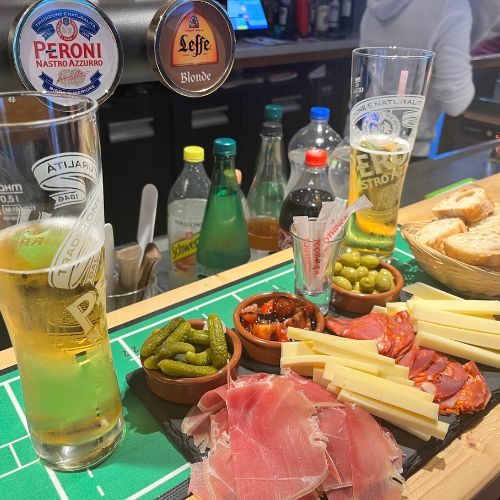
Alcohol costs in bars may shock visitors from the USA. A small beer or glass of wine can be pricey in certain areas. But, often, wine is included with your meals if you stay in a catered chalet.
Airport transfers are also something you need to factor into your costs. We recommend booking early to avoid disappointment. Contact us for a quote to get you between Morzine and Geneva Airport.
Language Barrier
When travelling to a foreign country, it’s normal to be daunted by the language barrier. However, most people who work in ski resorts speak English. But we recommend picking up some basic French words and phrases before you arrive. A simple “Bonjour,” Sil vous plait,” and “merci” can make the difference between good and bad service in a bar or restaurant.
Final Thoughts On The Differences Between French And American Ski Resorts
The differences between French and American ski resorts are subtle but significant. So, it’s worth knowing how they compare before your trip. All in all, visitors from the U.S. can expect to pay less for lift passes and accommodation. You will also enjoy the freedom of not having to put up with militant ski patrollers and being able to ski anywhere as long as you’re careful.
If you’re planning a trip to Morzine or its surrounding areas, contact us for details on airport transfers and our resort taxi service.